
On this page6 sections
China’s high-speed rail network is one of the best ways to travel between major cities. Trains are fast, punctual, and comfortable, but ticketing is tied closely to your passport identity, and the seat-class options are richer than most foreign travelers expect.
Where to buy tickets
Foreign travelers commonly use:
- Railway 12306 — the official English website and the official app (also available in English). This is the source of truth for fares, schedules, and seat maps, and it has no service fee. Identity verification for foreign passports can take time, so set up your account well before your trip.
- Trip.com — the most convenient option for many visitors. It shows the same trains and classes in English, accepts foreign credit cards, and handles passport verification for you. It charges a small service fee (roughly CNY 10–30 per ticket) on top of the railway fare.
- Station ticket counters — This is a last resort, not a first choice. English-speaking staff are scarce, and popular or same-day routes often sell out at the app long before you reach the front of the line. Only plan on buying a ticket at the counter for very frequent routes (for example a major city connector running every few minutes) and during an off-peak period. Otherwise book online in advance.
Online booking is usually easiest, especially on popular routes. The official 12306 booking window normally opens 15 days in advance at 08:00 Beijing time, and tickets for busy routes and holidays sell out fast. Popular business-class cabins often sell out first because they contain only a handful of seats per train.
Tip
Get set up to buy tickets on 12306
The 12306 English platform (website and app) works for foreign-passport holders, and you can complete registration and verification yourself. The Hong Kong MTR High Speed Rail page offers a clear official walkthrough, Creating a 12306 Account, as a useful reference.
Verification failing? Try these ways to get booking:
- Switch between the English and Chinese versions of the site or app and try again — a common fix for 12306 verification issues.
- Use Trip.com instead. It handles passport verification for you, with only a small service fee — a convenient alternative.
- Ask the station ticket office to verify you in person. If online verification still will not work, station staff can verify your passport face to face.
Once verification passes, you can buy tickets on the official 12306 website or app.
Choose the right station
Large Chinese cities often have several railway stations. For example, Beijing alone has Beijing, Beijingnan (south), Beijingxi (west), Beijingbei (north), and Beijing Chaoyang stations on different lines.
Chinese railway stations write the direction in pinyin, fused into one word with the city name, rather than using English words: Dong (东) = East, Nan (南) = South, Xi (西) = West, and Bei (北) = North. So Beijing South Railway Station is written Beijingnan, Beijing East is Beijingdong, and Tianjin’s two main rail hubs are Tianjin and Tianjinxi. Reading these fused names on your ticket and in station signs is essential because the same city name appears in several stations.
Before booking, check:
- Which station your train departs from
- How long it takes to reach that station
- Whether the station is connected by metro
- Whether your arrival station is near your hotel
Train Types
The first letter identifies the railway’s service category. It does not, by itself, guarantee a particular fare, top speed, train model, or set of seat classes. China Railway uses G, D, and C for high-speed EMU, EMU, and intercity EMU services respectively; the fare and available seats still depend on the individual train and route.
- G trains (高速动车组, high-speed EMU) are classified at the 300 km/h or higher service level on at least part of their full route. A through train keeps its G number when it continues onto slower sections, so it may not run above 300 km/h throughout the journey. Most offer second and first class, while business class and other premium seats vary by train.
- D trains (动车组, EMU) are EMU services not classified at the 300 km/h G level. Many run at up to 200–250 km/h, but some D services operate at around 160 km/h, and the category also includes long-distance sleeper trains. The letter therefore does not guarantee that any part of the journey exceeds 200 km/h. Seating can include second and first class, business or premium seats, and sleeper berths depending on the train.
- C trains (城际动车组, intercity EMU) are designed primarily for regional travel between nearby cities, such as Beijing and Tianjin. They often make short, frequent journeys, but their speed and seat classes vary by corridor.
- Z, T, and K trains are conventional services classified by 12306 as Z (直达特快, direct express), T (特快, express), and K (快速, fast). They can run during the day or overnight. Depending on the service, tickets may include hard or soft seats, hard or soft sleepers, and occasionally higher sleeper categories.
When both G and D trains appear for the same journey, compare the actual travel time, departure and arrival stations, fare, and available seats. A G train is not automatically the better choice, and ticket prices are not determined by the letter alone.
Seat Class
Seat classes on high-speed trains confuse many first-time visitors because the order is Business > First > Second — the opposite of airline naming on some western routes. Business class is the top tier, not an intermediate one.
Second class (二等座)
The default choice for most passengers and most foreign travelers.
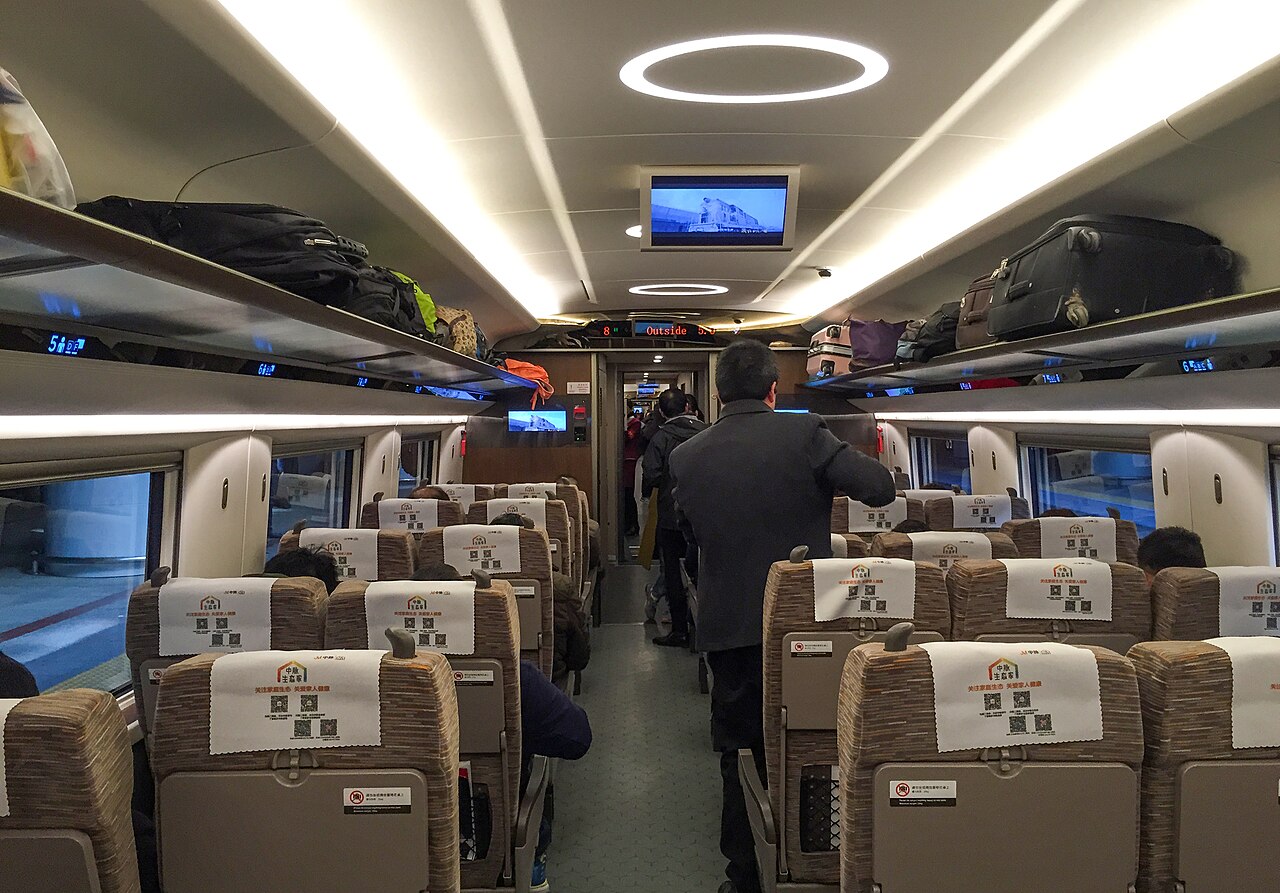
- Layout: 3+2 across the carriage (five seats per row), with a middle seat on one side.
- Seat: roughly 42–45 cm wide, typical airline economy comfort with better legroom.
- Amenities: fold-down tray table, power outlet at each seat on modern Fuxing (复兴号) trains, air conditioning, hot-water boiler, and toilets per carriage.
- Price: the baseline fare.
- Best for: journeys under about three hours, or any budget-conscious trip. Window seats are A and F; aisle seats are C and D; B is the middle.
First class (一等座)
A meaningful comfort upgrade at a modest premium (roughly 1.4–1.8 times second class).
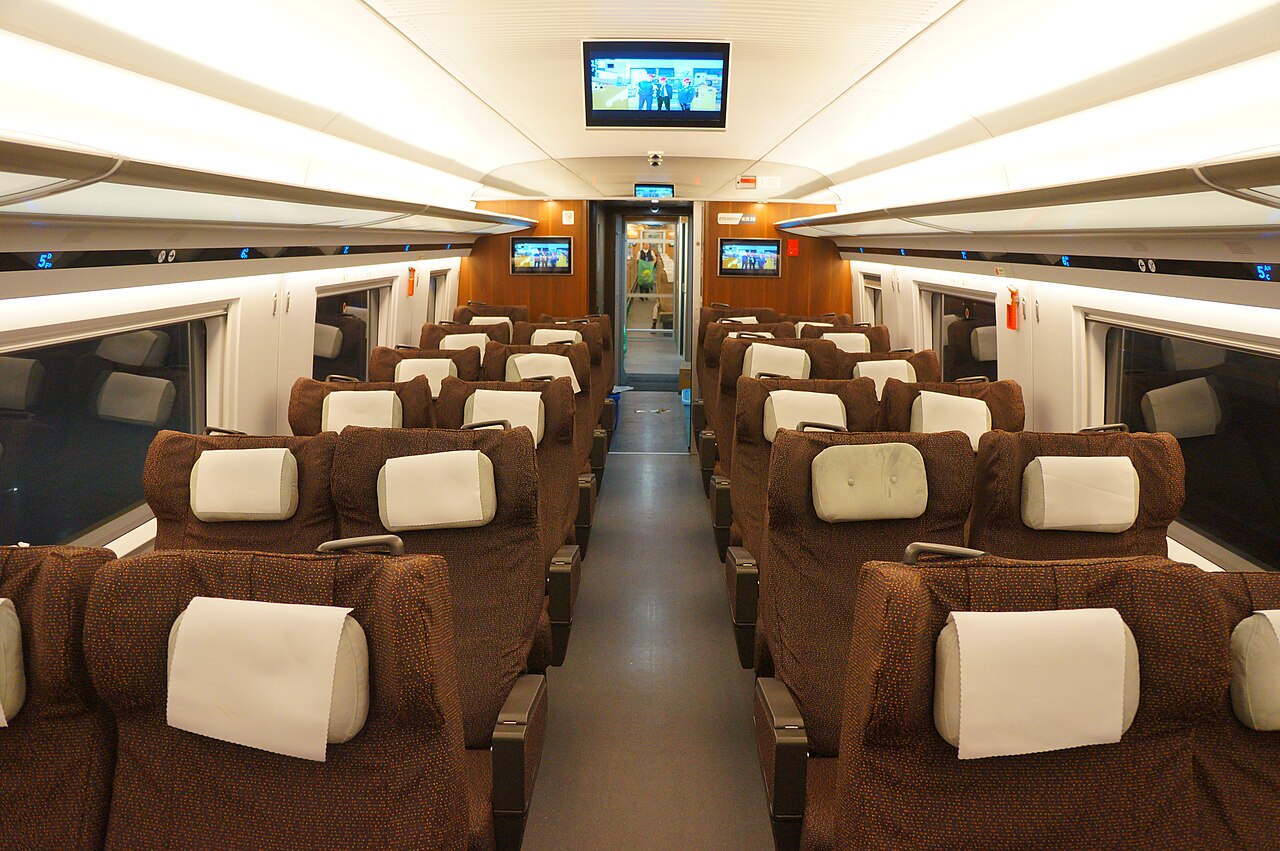
- Layout: 2+2 across the carriage (four seats per row) — no middle seat, so every seat is a window or aisle.
- Seat: about 47–48 cm wide, deeper recline (up to about 60 degrees), fold-down footrest, and a small headrest pillow.
- Amenities: tray table stored in the armrest (stable for laptops), power outlet with USB at each seat pair, quieter and less crowded carriage, and complimentary snack box and water on some long-haul G routes.
- Best for: daytime journeys of three hours or more, working or sleeping on board, and photographers who want a guaranteed window seat.
Business class (商务座)
Business class comes in three distinct designs, ranked overall as suite-style enclosed pods > reverse-herringbone seats > open-shell seats. All three are sold simply as business class; fare differences between trains usually reflect the date, departure time, service, and dynamic discounts rather than the seat design. A better cabin therefore costs no more.
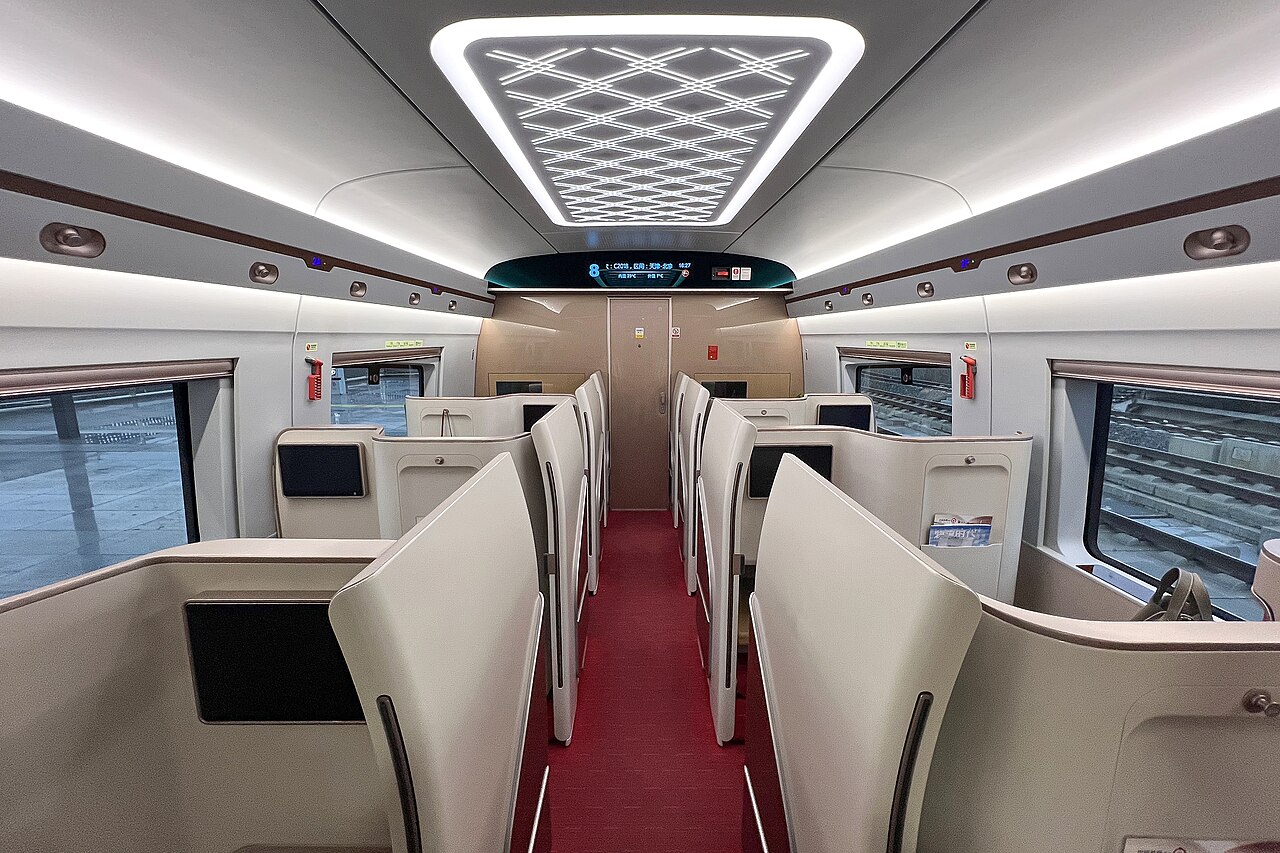
1. Suite-style enclosed pods (包间式商务座)
This is currently the strongest business-class product. Seats are arranged 1+1 in individual staggered compartments, with tall partitions and a sliding door. Each pod has its own screen, lighting, storage, and a seat that converts into a flat bed.
Look first for a CR400BF-Z intelligent Fuxing trainset. This model is the clearest publicly documented indicator of the enclosed, one-passenger-per-compartment product. Other BF-platform intelligent and upgraded trainsets may also carry it, but the model suffix alone is not always enough. Some upgraded trainsets have enclosed pods at one end and traditional shell seats at the other.
Some through trains using the Shanghai–Wuhan–Chengdu corridor, including the Hanyi Railway (汉宜铁路) section between Wuhan and Yichang, are operated with upgraded S-series trainsets. That creates a chance of getting this cabin, but the railway line itself does not guarantee it. The assigned trainset can change, and AF-series and BF-series interiors are not identical.
2. Reverse-herringbone (反鱼骨)
These 1+1 seats angle away from the aisle and place every passenger beside a window. High shells create good privacy, but the pod usually does not have a fully closing door. They are spacious, lie flat or nearly flat, and feel much calmer than the older open cabin.
This design is associated especially with intelligent and upgraded AF-platform Fuxing trainsets, including examples in the CR400AF-Z, CR400AF-BZ, CR400AF-S, and CR400AF-BS families. Some BF-platform intelligent sets use a related staggered arrangement with more enclosure.
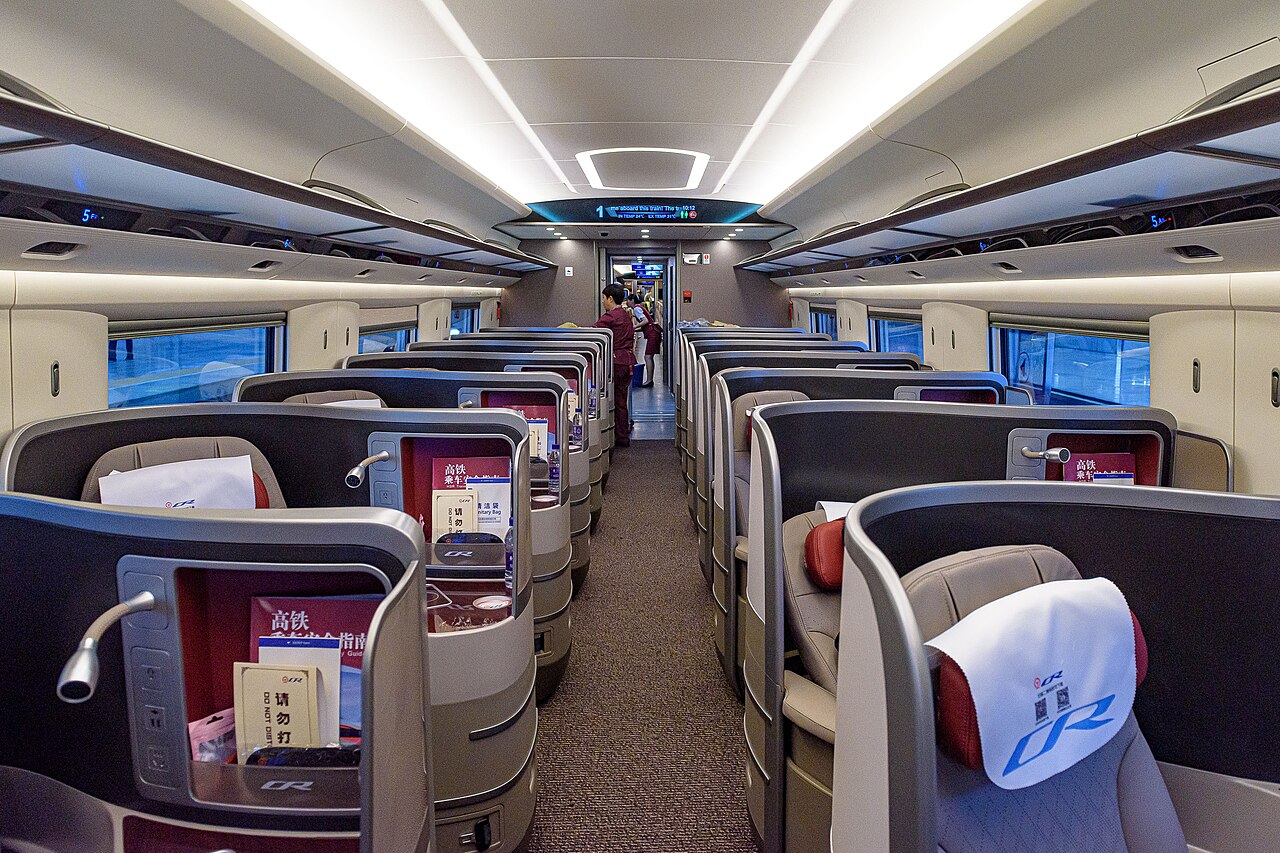
3. Traditional shell seats (传统蛋壳式商务座)
This is the familiar open-plan business cabin used across much of the CRH380 and standard CR400 fleet. Large egg-shaped seat shells are arranged in a compact shared cabin, usually near the driver’s cab. The seats are wide and recline deeply, but sightlines are open and privacy is much weaker than in the two newer designs. It can feel like a small premium lounge rather than a suite.
Shell seats remain the most common version and still appear on some newer S-series trainsets, often at the opposite end from an upgraded cabin. A new Fuxing train therefore does not automatically mean a new business-class seat.
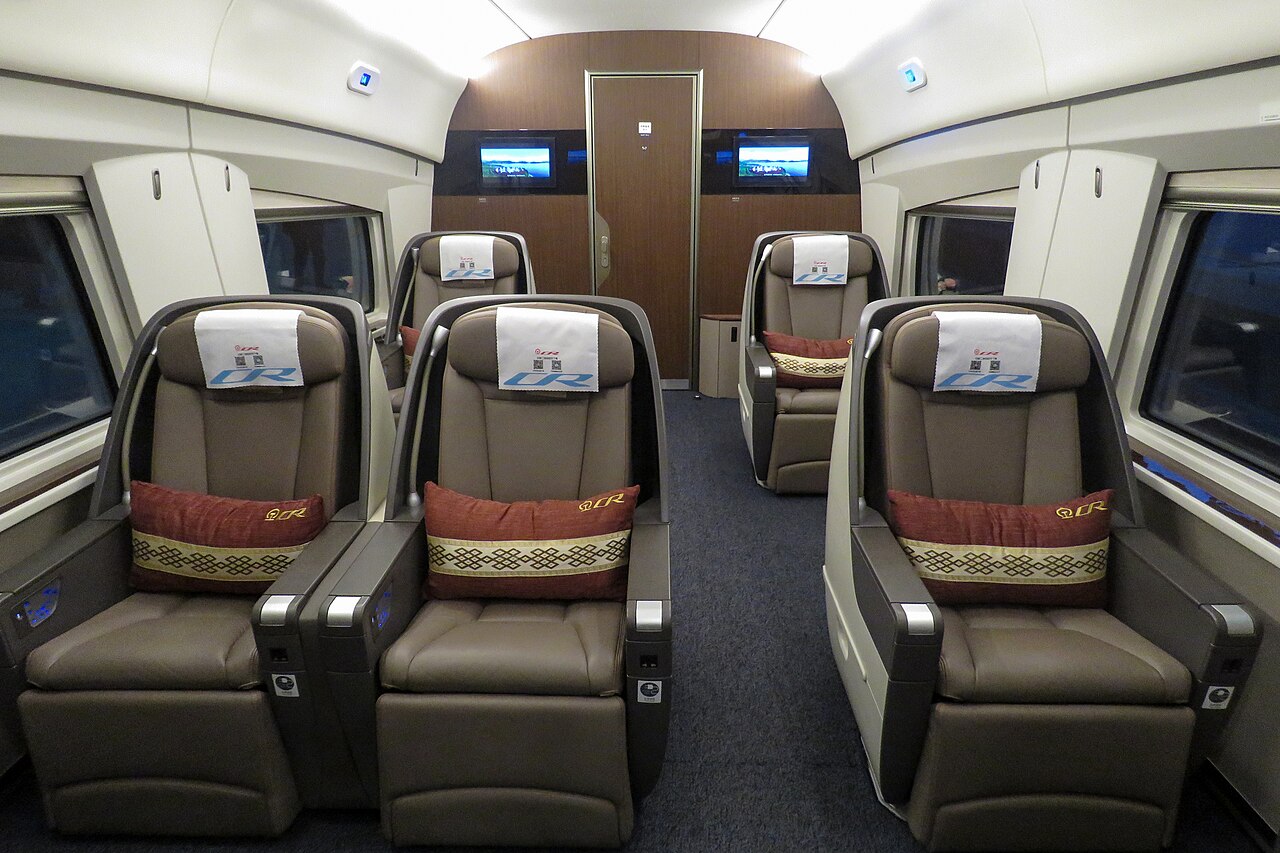
What all three products normally include
- Seat: a wide electrically adjustable seat with a deep recline or lie-flat mode, plus individual power, a reading light, and a fold-out table. The exact bed length, controls, and storage depend on the trainset.
- Station services at major hubs (Beijingnan, Beijingxi, Shanghai Hongqiao, Guangzhounan, and similar): access to a dedicated business-class lounge with free drinks, snacks, and comfortable seating, plus priority boarding with an attendant escort to the train. Show your passport and e-ticket at the lounge desk.
- Onboard: hot meal served at your seat (on the routes that include it), plus complimentary tea, juice, and other beverages, with a dedicated attendant.
- Price: roughly 3–5 times second class. It is expensive, but it rivals airline first class for a fraction of the cost.
- Best for: journeys of four hours or more, overnight-equivalent trips, or a special-occasion splurge. On short sub-two-hour runs it is hard to justify.
How close can you get to a guarantee?
Railway 12306 does not let you select “suite-style business class” as a separate product, so an absolute guarantee is not available during the purchase. Use this sequence to significantly improve the odds:
- Switch Railway 12306 to Chinese version and filter for 智能动车组 (Intelligent EMU). The English interface does not show this filter or the Intelligent EMU badge.
- Enter the train number on rail.re to see the trainsets used on its recent runs. This is a community-maintained history tool, not an official promise for your travel date.
- Compare the exact model, unit number, and assigned car with a current layout reference. CR400AF-Z family trains use the reverse-herringbone product; CR400BF-Z family trains use the enclosed “Tianxuan” single suite, but later batches may retain shell seats at one end.
- Submit the order and wait for the car and seat number to appear, but do not pay yet. Railway 12306 reveals the allocated seat before payment. Compare the car and row with the tables below.
- If the allocation is the wrong cabin, cancel the unpaid order and try again. Do not repeatedly let orders expire or cancel them without counting: after three cancellations in one day, Railway 12306 blocks that account from buying again until the next service day.
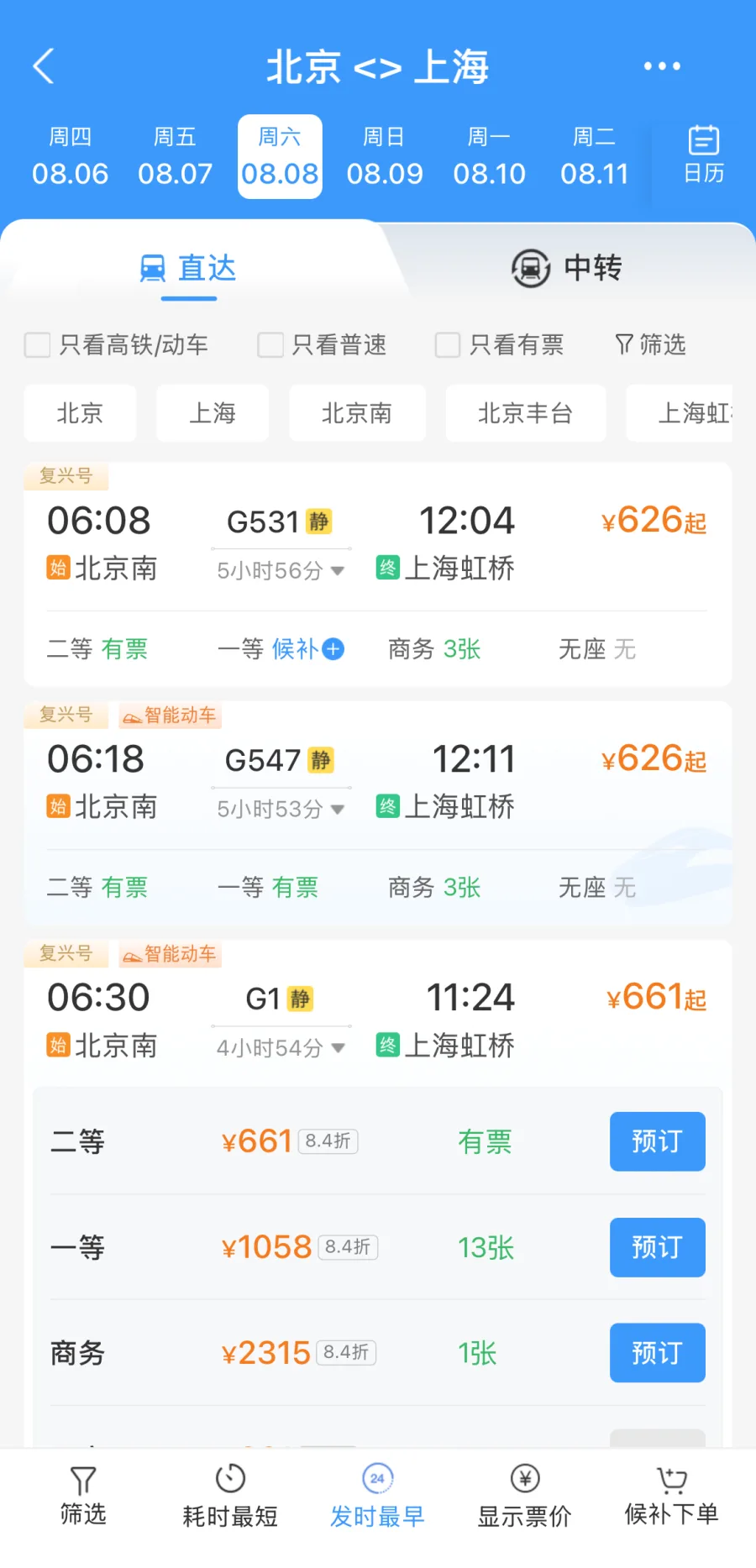
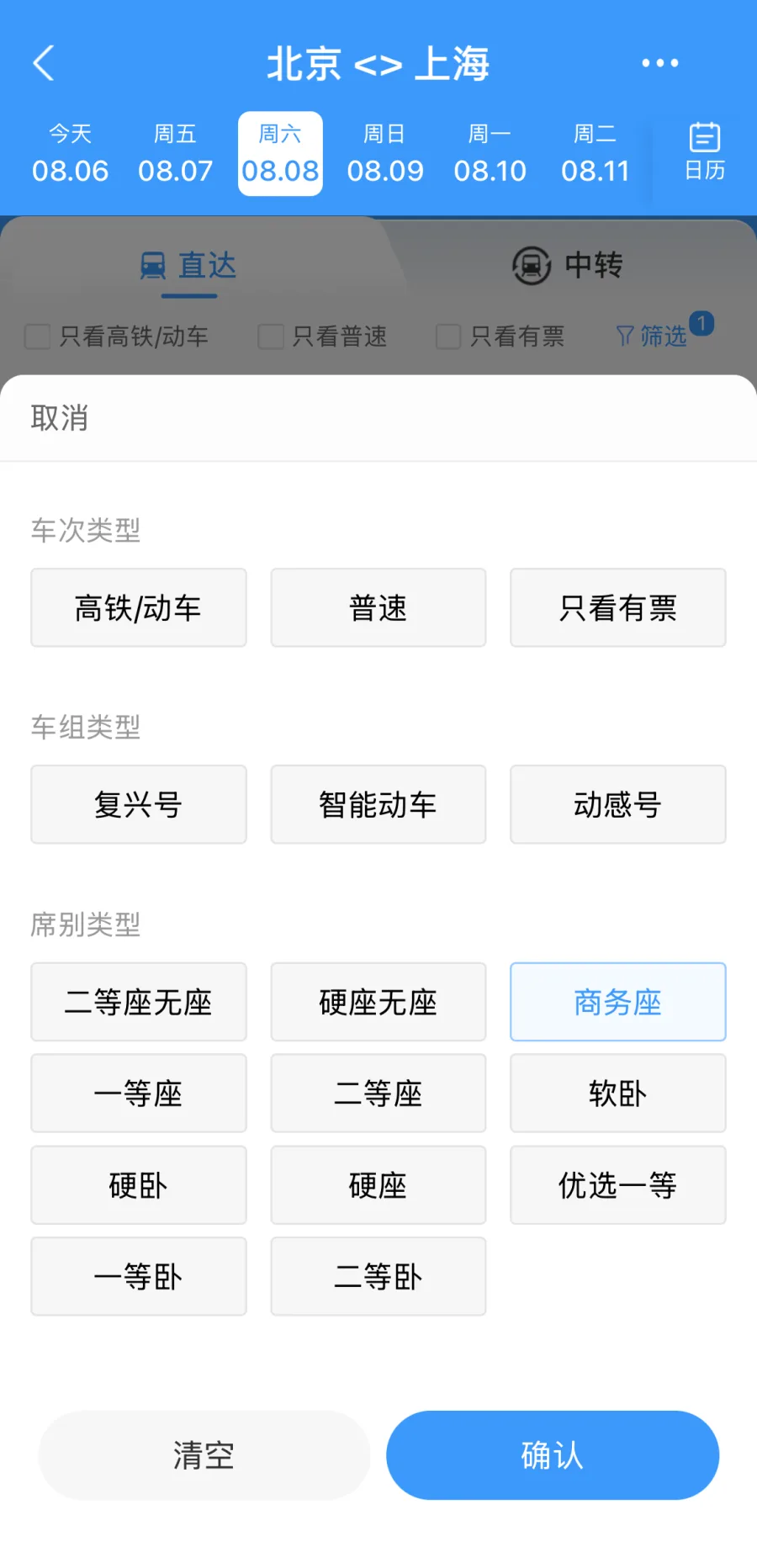
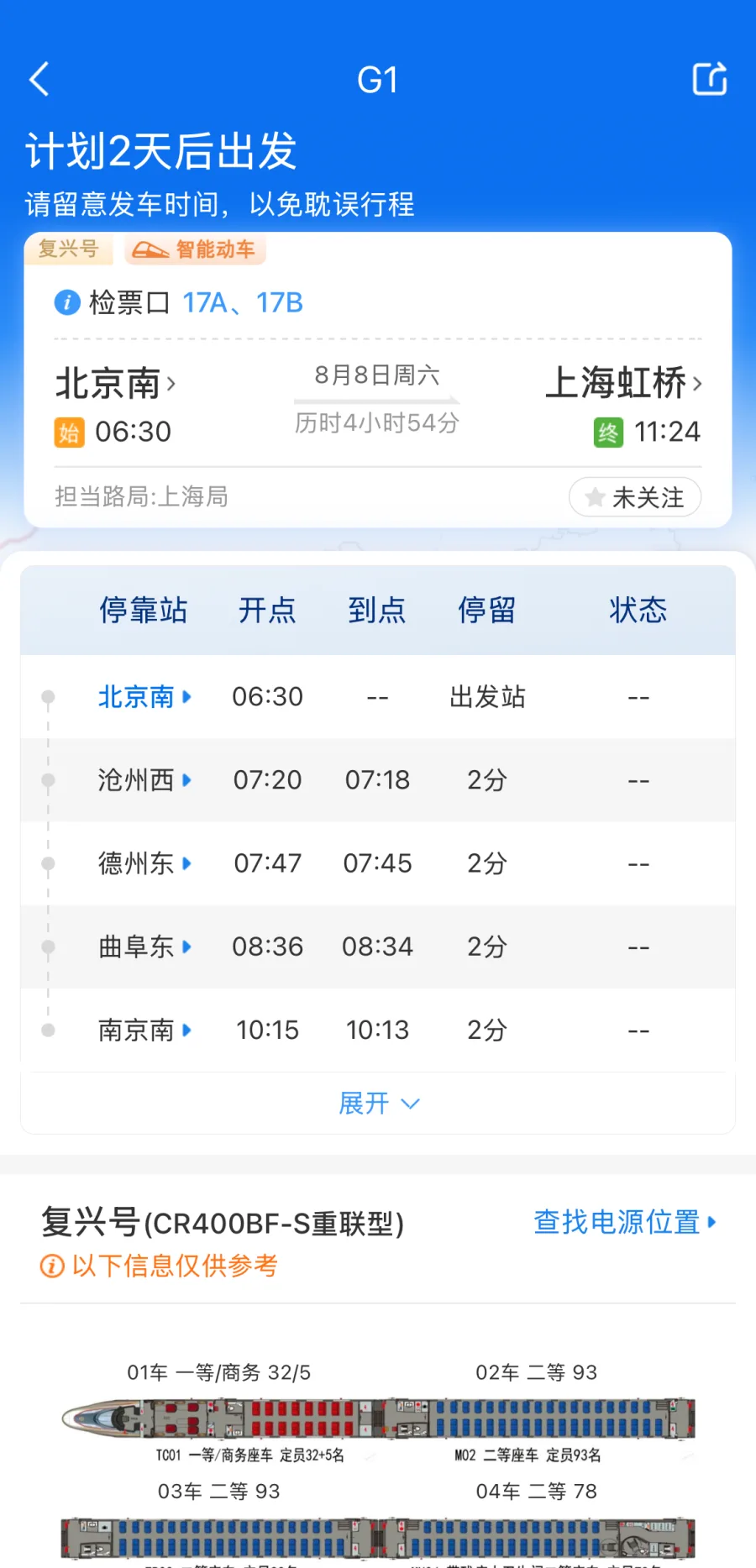
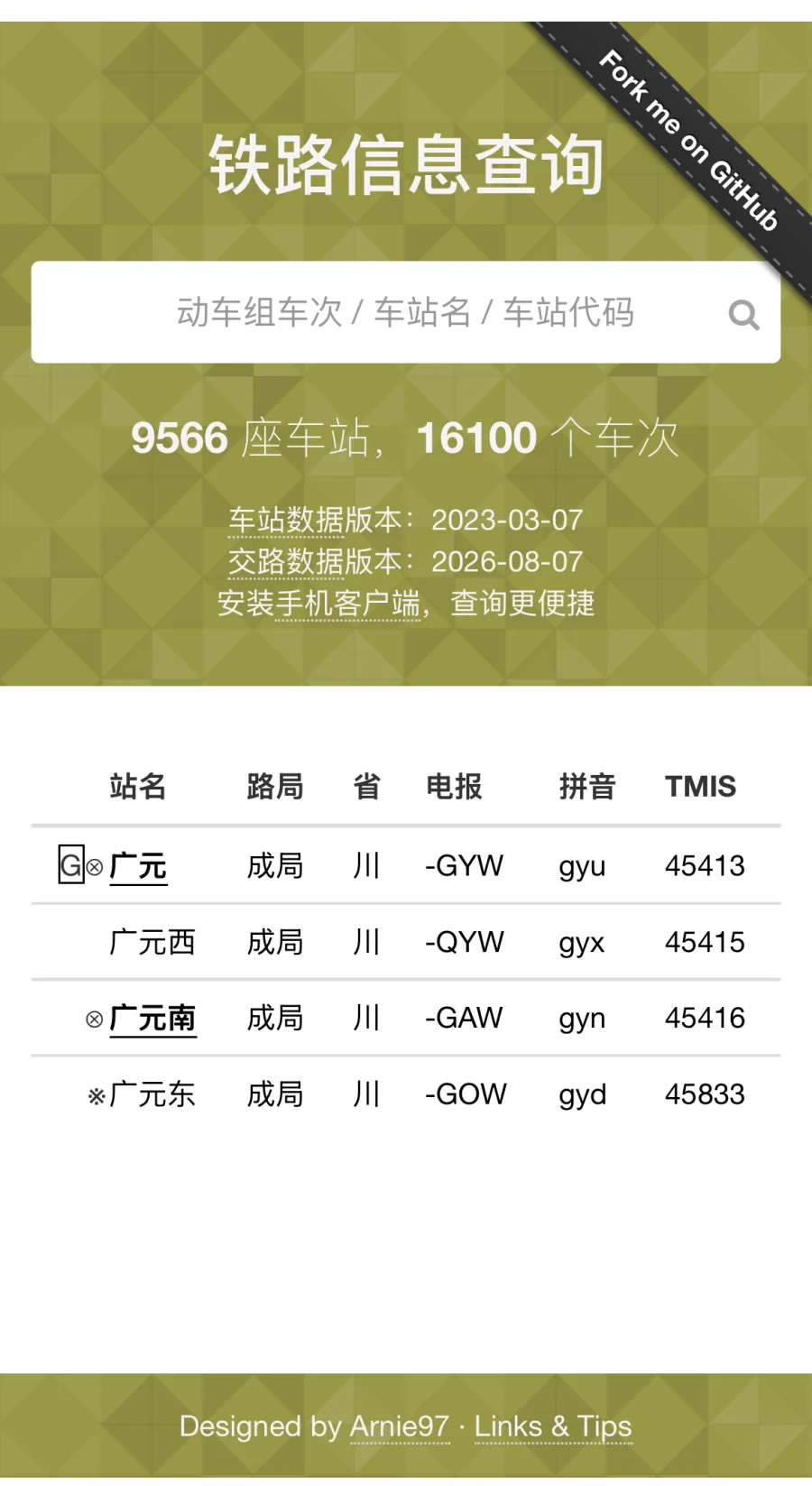
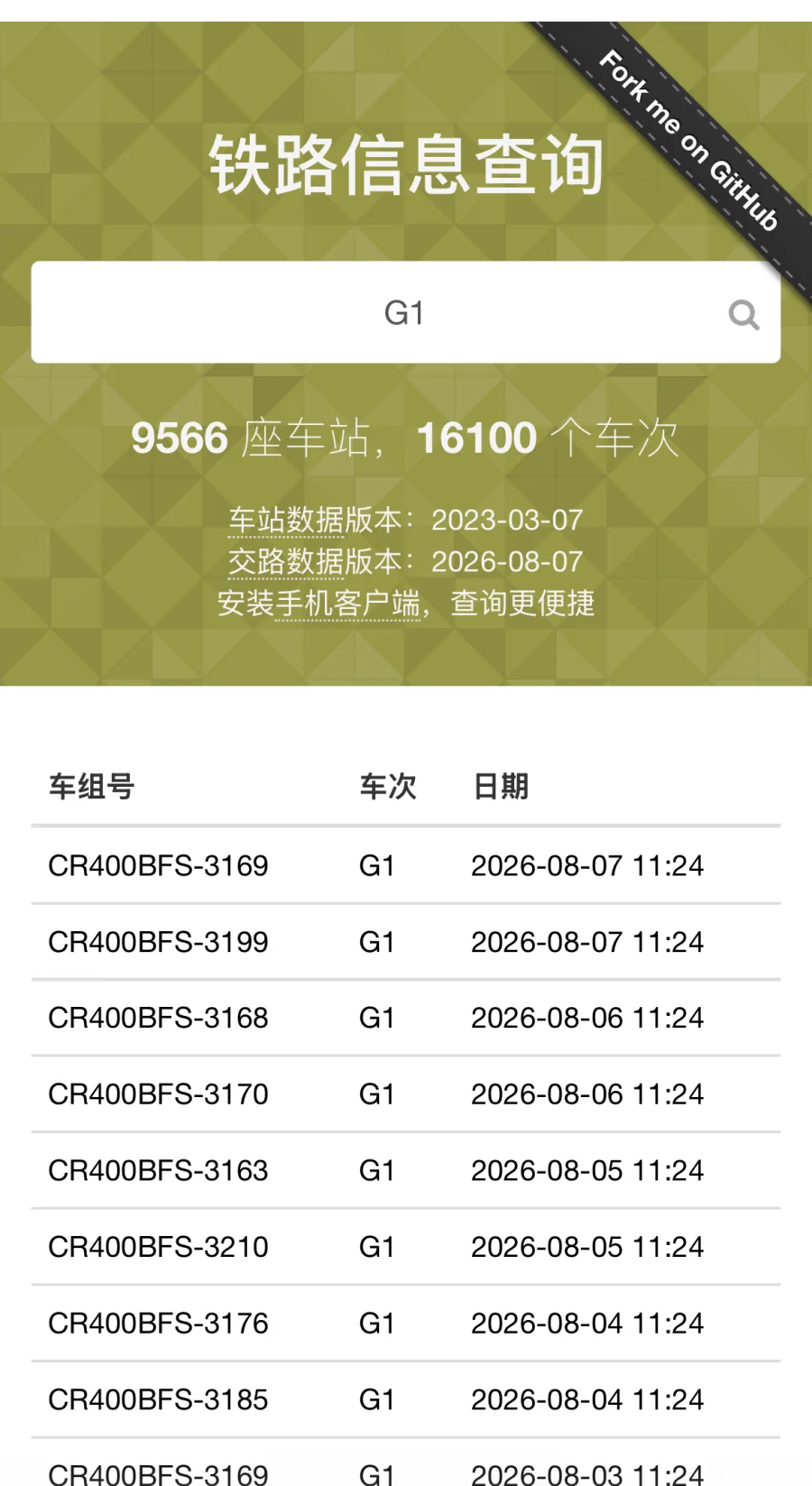
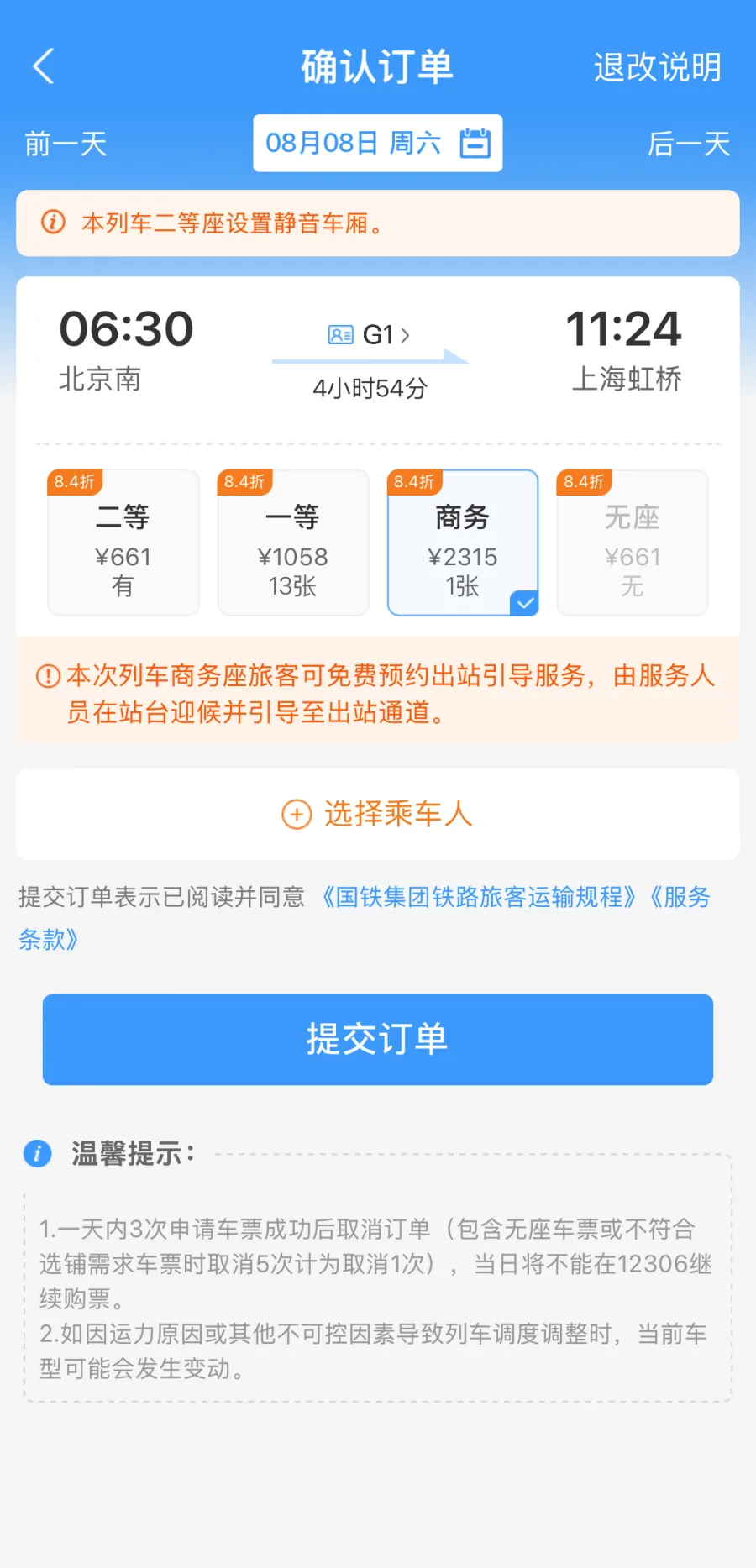
The following enthusiast-tracked patterns are useful as of 2026, but production batches and refurbishments can change them.
Enclosed suites (包厢式商务座)
Choose the BF family when the closing door is the priority.
| Model | Unit numbers | Car and row to accept |
|---|---|---|
| CR400BF-AS, with Premium First Class (优选一等座) | All units | Choose car 1, rows 1–10, for enclosed suites. (Note: car 16, rows 1–2, uses shell seats.) |
| CR400BF-AS, without Premium First Class (优选一等座) | All units | Choose car 1, rows 4–10, for enclosed suites. (Note: cars 1 and 16, rows 1–2, use shell seats.) |
| CR400BF-AZ | All units | Enclosed suites throughout the business cabin. |
| CR400BF-BS | All units | Choose car 1, rows 4–10, for enclosed suites. (Note: cars 1 and 17, rows 1–2, use shell seats.) |
| CR400BF-BZ | All units | Choose car 1, rows 4–9, for enclosed suites. (Note: cars 1 and 17, rows 1–2, use shell seats; this rare model may be replaced by a standard Fuxing trainset.) |
| CR400BF-C | 5162 | Enclosed suites throughout the business cabin. (Note: units 5144 and 5145 use shell seats.) |
| CR400BF-S / CR400BF-GS | All units | Choose car 8 or 16. (Note: car 1 or 9, rows 1–2, use shell seats.) |
| CR400BF-Z / CR400BF-GZ, earlier batches | Unit numbers beginning with 0; 3-series below 3146; 5-series below 5256 | Enclosed suites throughout the business cabin. |
| CR400BF-Z / CR400BF-GZ, later batches | 3-series from 3146; 5-series from 5256 | Choose car 8 or 16, rows 1–3. (Note: car 1 or 9, rows 1–2, use shell seats.) |
Reverse-herringbone pods (反鱼骨式商务座)
Choose the AF family when the reverse-herringbone cabin is the target.
| Model | Unit numbers | Car and row to accept |
|---|---|---|
| CR400AF-AS, with Premium First Class (优选一等座) | All units | Choose car 1, rows 1–10, for reverse-herringbone seats. (Note: car 16, rows 1–2, uses shell seats.) |
| CR400AF-AS, without Premium First Class (优选一等座) | All units | Choose car 1, rows 4–10, for reverse-herringbone seats. (Note: cars 1 and 16, rows 1–2, use shell seats.) |
| CR400AF-BS | All units | Choose car 1, rows 4–10, for reverse-herringbone seats. (Note: cars 1 and 17, rows 1–2, use shell seats.) |
| CR400AF-BZ | All units | Choose car 1, rows 4–9, for reverse-herringbone seats. (Note: cars 1 and 17, rows 1–2, use shell seats; this rare model may be replaced by a standard Fuxing trainset.) |
| CR400AF-C | 2214 | Reverse-herringbone seats throughout the business cabin. |
| CR400AF-S | All units | Choose car 8 or 16. (Note: car 1 or 9, rows 1–2, use shell seats.) |
| CR400AF-Z / CR400AF-AZ, earlier batches | Unit numbers beginning with 0; 1-series below 1059; 2-series below 2316 | Reverse-herringbone seats throughout the business cabin. |
| CR400AF-Z / CR400AF-AZ, later batches | 1-series from 1059; 2-series from 2316 | Choose car 8 or 16, rows 1–3. (Note: car 1 or 9, rows 1–2, use shell seats.) |
The simplest high-confidence result is therefore: find a recent BF assignment for an enclosed suite or an AF assignment for reverse-herringbone, submit the order, and accept car 8 or 16 when the train uses a mixed layout.
Cancellation limit: Railway 12306 states that an account reaching three cancelled orders in one day must wait until the next service day to buy again. Its mobile guidance also counts unpaid orders that time out. Treat two attempts as the practical maximum and never use the third cancellation unless you are willing to stop booking for the day. See the official Railway 12306 purchase guidance.
Even this is not a contractual guarantee. Railway 12306 warns that the assigned train model may change because of operational adjustments. The only final confirmation is the train that arrives at the platform. Railway 12306 also publishes train-model introductions and seat maps.
Choosing a specific seat
Some business cabins have only five or six seats, while long trainsets may have a larger dedicated cabin. The available seat letters and layout therefore vary:
- Seat F — the single window seat in a 1+1 layout, with no neighbor. The pick for solo travelers who want privacy and the window.
- Seats A and C — the paired side in a 2+1 layout. A is the window, C is next to the aisle. Good if you are traveling as a pair.
- Head or tail of the train — many business cabins sit near the driver’s cab, although long trainsets may also have a larger dedicated business-class section.
Use the seat options shown during booking to request a position, but do not assume they confirm the cabin subtype. Business class sells out first on popular routes, so book early to have a choice at all.
Getting the most from the station lounge
Business class includes lounge access at major hubs, but the lounge is a simple waiting area rather than a full airline lounge: comfortable seating, water, tea/coffee, and packaged snacks, and on some trainsets power banks at the desk. Many large stations also provide a dedicated business-class entrance or priority channel. Follow the 商务座 (Business Class) signs or ask station staff, since the entrance may be separate from the main security line. Ask the lounge staff for the boarding time and let them escort you to the platform; the earlier boarding order is one of the quiet advantages of the fare. Lounges normally open about two hours before departure.
Other classes you may see
- Premium first class (优选一等座) — a Fuxing-only tier between first and business class, around twice the second-class fare. It was being phased down as of 2026 and is uncommon; if you see it, it sometimes includes business-class lounge access.
- Quiet carriage (静音车厢) — a free opt-in on select premium G routes (for example Beijing–Shanghai, Beijing–Guangzhou). You agree to silence your phone and avoid loud conversation. It is always a first- or business-class car, and it is the single best free upgrade on eligible trains. Look for the 静音 checkbox on the seat-selection screen.
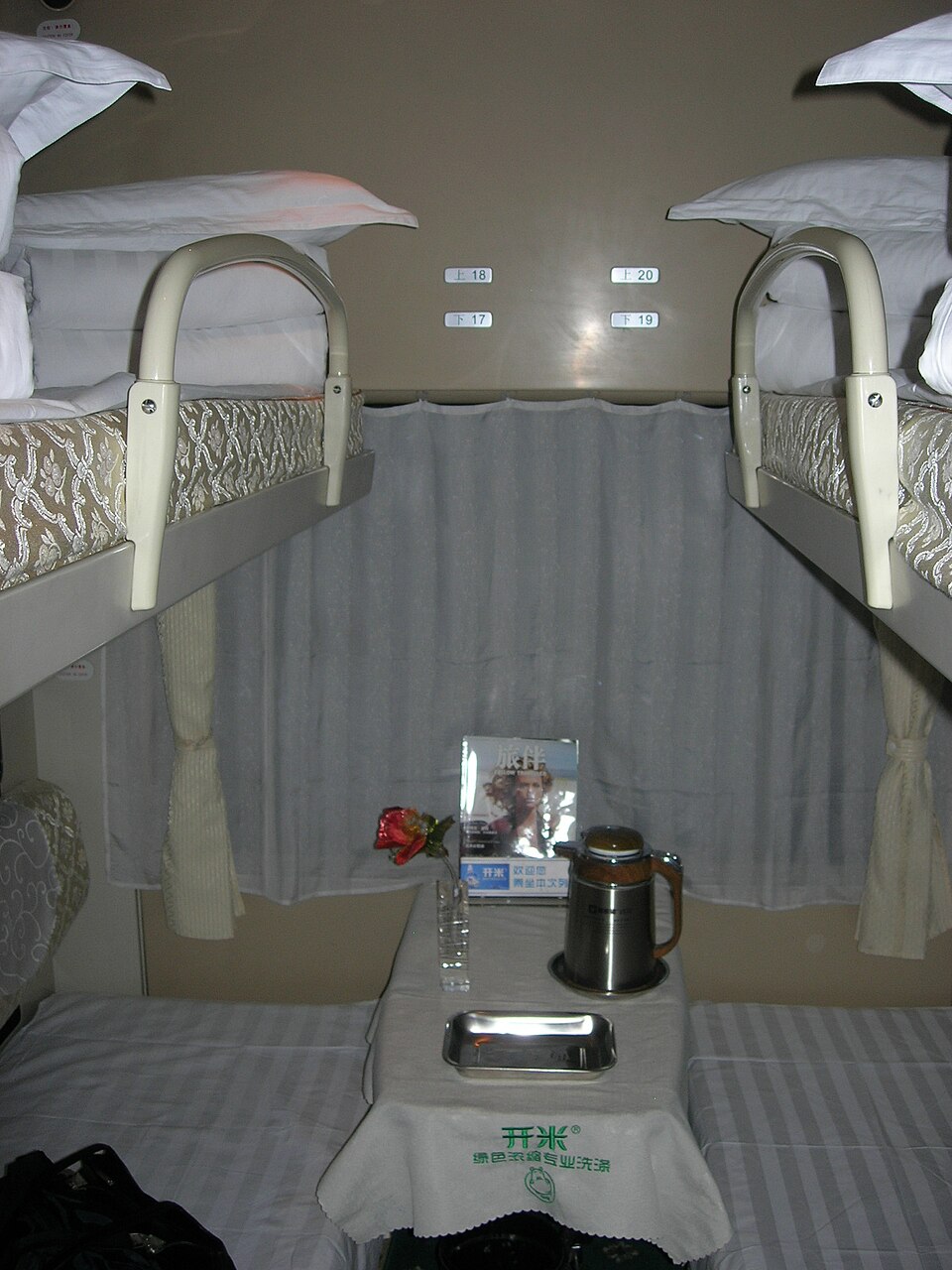
- Sleeper berths on overnight trains — hard sleeper (six bunks in an open compartment, cheapest), soft sleeper (four bunks in a lockable compartment with a door), and deluxe soft sleeper (two berths). On long overnight routes, a sleeper can replace a hotel night.
Book as early as you can for business class and for any journey around Chinese public holidays, since the best cabins sell out first. Check the Chinese Public Holiday guide before locking in dates.
When to arrive
Arrive at least 30 minutes before departure for trains. Give yourself more time at huge stations, during holidays, or if it is your first train trip in China.
You need time for:
- Finding the business-class dedicated entrance and lounge, where provided
- Security screening
- Passport ticket verification
- Finding the correct waiting hall
- Walking to the platform gate
Boarding process
Your passport is usually your identity document for ticket checks. Keep it easy to access.
Station screens list train numbers, departure times, waiting areas, and boarding gates. Match the train number carefully, not just the destination city.
On high-speed trains, your ticket includes a carriage and seat number. Onboard screens confirm the carriage direction, and you can rotate your seat 180 degrees on many trains if you want to face the travel direction — just rotate it back before arrival.
Help keep this guide accurate
Found something incorrect, outdated, or missing? Tell us what changed and include a source when possible.
Suggest an update